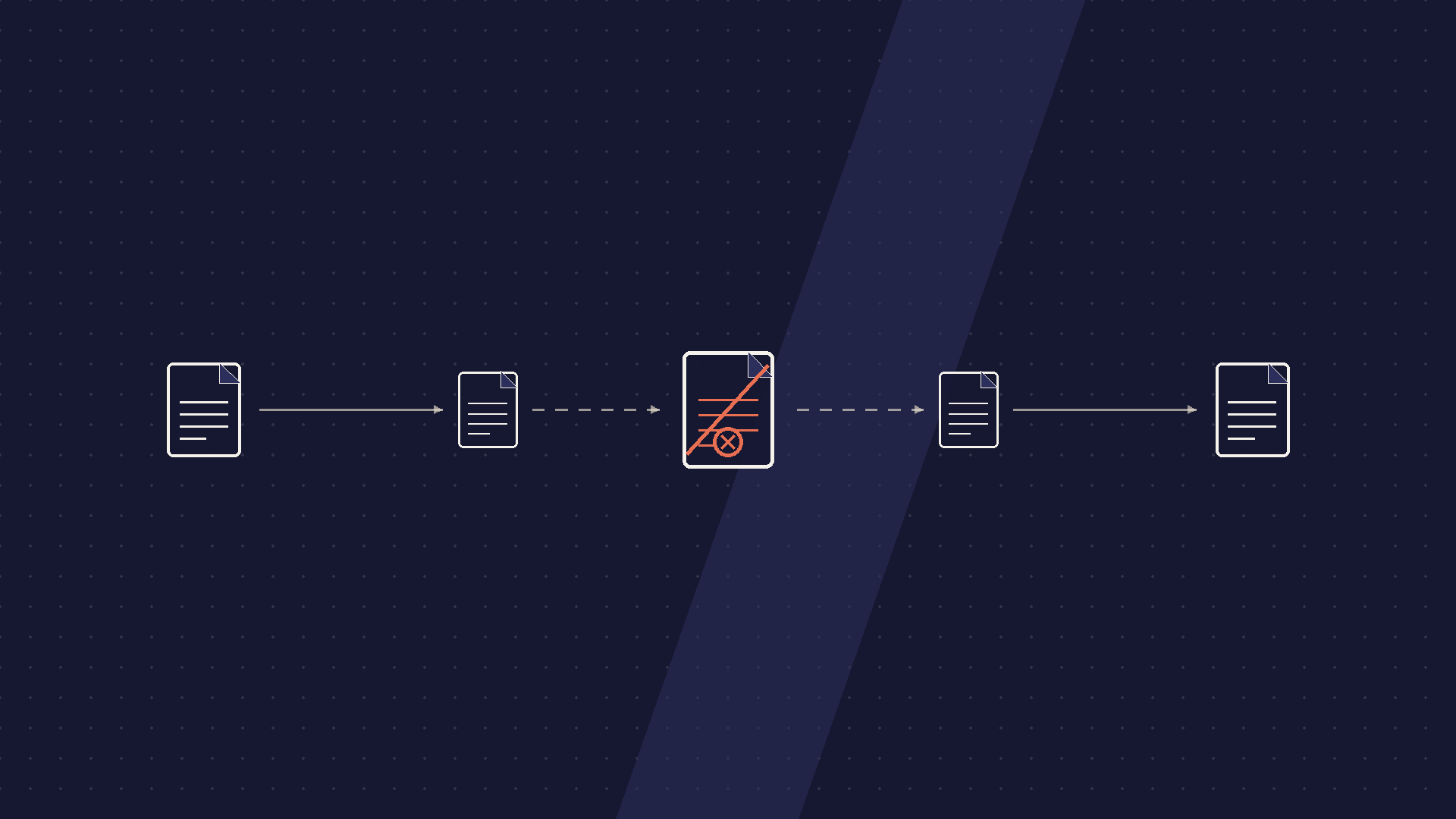
Your restaurant group faces the UAE e-invoicing mandate on 1 January 2027 (if turnover is AED 50m or more) or 1 July 2027 (if it’s under). The rule everyone’s talking about is the format: PINT AE, UBL 2.1 XML, routed through an Accredited Service Provider. The rule that will actually cost you money is quieter: a validation failure isn’t a warning, it’s a rejected invoice — no payment, no input-VAT recovery, no exceptions. A 2026 survey of 500+ UAE finance found that only 14.1% of businesses could generate an invoice today that would actually pass validation and go through.
Why Hospitality Fails First
Hospitality and Retail rank among the least-ready of 11 sectors surveyed. The reason is structural, not technical: a single group runs a PMS, several POS terminals per outlet, 3–4 delivery aggregators, and one finance ERP, stitched together by exports and manual reconciliation. Under the old regime, a mismatch surfaced at month-end and got fixed quietly. Under e-invoicing, validation happens at the point of issuance. One misconfigured outlet propagates the same error across every invoice it issues, every day, until someone catches it. 38.0% of ERPs surveyed have no native capability to produce PINT AE XML at all. 60.5% haven’t even run a gap analysis.
The Failure Modes That Actually Block Invoices
Advisers converge on the same list: missing or invalid buyer TRNs (the single most common rejection cause), duplicate customer records, Trade License details that don’t match the invoice, non-standardized item and unit codes, and credit notes not linked to the original invoice. None of these are tax problems. They’re master-data problems — the kind that accumulate over years of manual entry across multiple POS systems with no single source of truth. Fixing them isn’t optional prep work; it’s the entire project. Master-data readiness is described by advisers as one of the least discussed aspects of e-invoicing, yet often the longest workstream — sometimes 4–12 weeks depending on how many entities are involved.
What “Ready” Actually Looks Like
Neovara helps F&B and hospitality operators clean up the master data — TRNs, vendor records, POS codes — that determines whether an e-invoice gets accepted or bounced. Readiness isn’t a software purchase; it’s a data state. That means every buyer TRN cross-checked against the FTA portal, one invoice-numbering sequence across all outlets instead of per-branch silos, and POS receipts that reconcile to bank deposits before a single test invoice goes through your Accredited Service Provider. The voluntary pilot opened 1 July 2026 with no penalties attached — the only real cost of testing now is the time it takes, and the only cost of testing late is a rejection rate you discover in January 2027, with the penalty clock already running.
Not sure if you’re in the 14.1% or the 85.9%? Book a 20-minute discovery call with Neovara. We’ll map your data readiness gap against the 2027 deadline that actually applies to you.
FREQUENTLY ASKED QUESTIONS
What happens if my restaurant’s invoices get rejected under the UAE e-invoicing mandate?
A rejected invoice isn’t a valid tax invoice. Payment gets delayed, the buyer can’t recover input VAT, and disputes follow. Under Cabinet Decision No. 106 of 2025, late or missing e-invoices also carry a penalty of AED 100 each, capped at AED 5,000 per month.
Does the UAE e-invoicing mandate apply to a single dine-in restaurant?
Not yet. B2C transactions — ordinary dine-in receipts — are excluded from the mandate for now. It applies to B2B and B2G invoices: corporate billing, catering contracts, banquet invoices, and supplier transactions.
Neovara is an AI & data consultancy for ambitious SMEs — proven in-house on a real turnaround, now serving F&B and hospitality operators across the UAE. neovara.io